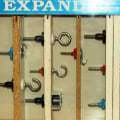
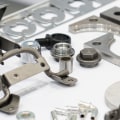
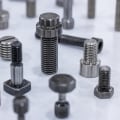
The fixings serve as permanent connections, while the fasteners, provided by a reputable Fastener Supplier near Wilmington NC, can be easily removed when needed. Whether you need to assemble furniture, assemble pictures. Fixings and fasteners are used to secure components in a variety of applications, ranging from DIY household projects to complex industrial tasks. They provide an invaluable service by providing strong and reliable mechanical joints between two or more objects. Whether you need to assemble furniture, mount pictures on the wall or build a skyscraper, fixings and fasteners are the invisible workers that underpin all successful projects. The fixings serve as permanent connections, while the fasteners, provided by a reputable Fastener Supplier near Wilmington NC, can be easily removed when needed. Whether you need to assemble furniture, assemble pictures. Fixings and fasteners are used to secure components in a variety of applications, ranging from DIY household projects to complex industrial tasks. They provide an invaluable service by providing strong and reliable mechanical joints between two or more objects. Whether you need to assemble furniture, mount pictures on the wall or build a skyscraper, fixings and fasteners are the invisible workers that underpin all successful projects.
In this blog post, we'll focus on the different types of fasteners available for your project and how they work. On the other hand, fasteners are intended to secure objects together, but not necessarily in the long term. The fasteners are designed to be easier to remove or adjust compared to the fixings. They are often used in situations where you may need to disassemble components or make temporary connections.
Fixings are designed to attach objects to surfaces such as walls, floors, ceilings, or doors, keeping them in place, usually permanently. They are a form of connector and play an indispensable role in construction. In general, a fixation is key to attaching a component to a larger or immovable component, such as attaching a cabinet to a wall, a handle to a door, or a wooden beam to a plate wall. These cases will require the use of fixings such as screws, plugs, bolts and nails.
Fixings and fasteners are small hardware components that come in many different shapes, sizes and designs and that are individually adapted to a wide range of projects and applications. Generally speaking, fasteners and fasteners are used to connect two materials, but depending on the application, they can also stabilize materials, provide balance, support weight, and absorb different levels of tension and pressure. They can be used in a wide range of possible applications, from connecting small devices to assembling large industrial structures. Fixings and fasteners serve different functions, of course, you'll want them to fix an item in place, but different products can keep an item aligned, some can withstand natural torsion or unrolling, others offer fail-safe security, while others are only suitable for use with certain materials.
A large screw does not necessarily guarantee greater certainty that the article is going to be fixed, for example, it will depend on the material being attached, the material to which it is being attached, the weight of the material and the tools being used. Window locks are latches (not fixings), since they close the window for security reasons, but they can be adjusted to open it. While screws and fasteners of other types are often an afterthought, choosing high-quality fasteners and fasteners can make a significant difference in the finish of your project. While the zinc coating helps brass fasteners resist rust, stainless steel fasteners offer greater durability and natural resistance against corrosion.