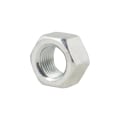
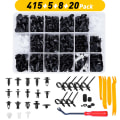
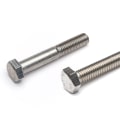
Welcome to our comprehensive guide on the materials used in clips and retainers! If you're in the automotive industry, you know how important these small yet essential Fastener Supplier near Yuma AZ are. They play a crucial role in holding various parts of a vehicle together, ensuring safety and functionality. But have you ever stopped to wonder what materials are used to make these clips and retainers? In this article, we will delve into the world of automotive fasteners and explore the different materials used in clips and retainers. From plastic to metal, we will discuss their properties, advantages, and applications. So, buckle up and get ready to dive into the world of automotive fasteners!When it comes to finding a reliable and cost-effective source for your fastener needs, it's important to understand the different materials used in clips and retainers. Welcome to our comprehensive guide on the materials used in clips and retainers! If you're in the automotive industry, you know how important these small yet essential Fastener Supplier near Yuma AZ are. They play a crucial role in holding various parts of a vehicle together, ensuring safety and functionality. But have you ever stopped to wonder what materials are used to make these clips and retainers? In this article, we will delve into the world of automotive fasteners and explore the different materials used in clips and retainers. From plastic to metal, we will discuss their properties, advantages, and applications. So, buckle up and get ready to dive into the world of automotive fasteners!When it comes to finding a reliable and cost-effective source for your fastener needs, it's important to understand the different materials used in clips and retainers.
Whether you're in the industrial, construction, automotive, or specialty fastener industry, this article will provide all the information you need to make an informed decision on your fastener supplier. Clips and retainers are essential components in many industries, including automotive, manufacturing, and construction. They are used to securely hold objects in place and are designed to withstand various levels of stress and strain. However, not all clips and retainers are created equal, as they can be made from a variety of materials with different properties and characteristics. In this article, we will cover the main search intent of individuals looking for a fasteners supplier and discuss the different types of materials used in clips and retainers.
Steel
Steel is one of the most commonly used materials in clips and retainers due to its strength and durability.It is a type of alloy made from iron and other elements such as carbon, manganese, and chromium. Steel clips and retainers are known for their high tensile strength, which makes them ideal for industrial applications where heavy loads and high stress are common. One of the main advantages of steel is its versatility. It can be easily formed into different shapes and sizes, making it suitable for a wide range of fastening purposes. It is also relatively affordable compared to other materials, making it a popular choice for budget-conscious industries. However, steel also has its weaknesses.
It is prone to corrosion and rusting if not properly treated or coated. This can be a major issue in industries where exposure to moisture or harsh chemicals is common. Steel clips and retainers may also be heavier and bulkier compared to other materials, which may not be suitable for certain applications. Some common uses of steel clips and retainers include securing panels, fastening pipes and fittings, and holding together heavy machinery and equipment. They are also commonly used in automotive and aerospace industries due to their strength and durability.
Aluminum
Aluminum is another popular material used in clips and retainers, especially in automotive applications.It is a lightweight and corrosion-resistant metal that is also highly malleable, making it easy to form into different shapes and sizes. One of the main advantages of aluminum is its light weight. This makes it an ideal choice for applications where weight is a critical factor, such as in the automotive industry. It is also highly resistant to corrosion, making it suitable for outdoor or high-moisture environments. However, aluminum is not as strong as steel and may not be suitable for heavy-duty applications. It also has a lower melting point compared to steel, which means it may not be able to withstand extreme temperatures. In the automotive industry, aluminum clips and retainers are commonly used in body panels, interior components, and engine parts.
They are also used in other industries such as construction, electronics, and aerospace.
Plastic
Plastic is a synthetic material that is widely used in clips and retainers due to its lightweight, low cost, and corrosion-resistant properties. It is also highly versatile and can be molded into various shapes and sizes. One of the main advantages of plastic is its low cost. It is generally more affordable compared to metal materials such as steel or aluminum. It is also lightweight, making it ideal for applications where weight is a concern. However, plastic clips and retainers may not be as strong or durable as metal materials.They are also more prone to wear and tear and may not be suitable for heavy-duty applications. In the automotive industry, plastic clips and retainers are commonly used in interior components, electrical systems, and other non-structural parts. They are also used in industries such as electronics, consumer goods, and packaging.
Other Materials
In addition to steel, aluminum, and plastic, there are other materials used in clips and retainers such as brass, copper, and titanium. Each of these materials has its own unique properties and characteristics that make them suitable for specific applications.Brass
is a metal alloy made from copper and zinc. It is highly corrosion-resistant and has a low friction coefficient, making it suitable for applications where a smooth surface is required.It is commonly used in marine applications and in the construction of musical instruments.
Copper
is another popular material used in clips and retainers due to its high thermal and electrical conductivity. It is commonly used in electrical systems and is also highly corrosion-resistant.Titanium
is a lightweight metal known for its high strength-to-weight ratio and corrosion resistance. It is commonly used in aerospace applications and in the medical field due to its biocompatibility.Conclusion
In conclusion, understanding the different materials used in clips and retainers is essential when looking for a reliable fastener supplier. Steel, aluminum, plastic, brass, copper, and titanium are some of the most commonly used materials with their own unique properties and advantages.By considering the specific requirements of your industry and application, you can determine which material may be most suitable for your fastener needs. We hope this article has provided valuable insights and helped you make an informed decision on your fastener supplier.
Exploring Other Material Options
Aside from steel, there are several other materials commonly used in clips and retainers. Let's take a closer look at each one.Understanding Steel Fasteners
Steel is one of the most commonly used materials in clips and retainers. It is known for its strength, durability, and versatility, making it a popular choice for a wide range of fastener applications. There are several different types of steel used in clips and retainers, each with their own unique properties and benefits.Some common types of steel include carbon steel, stainless steel, and alloy steel. Carbon steel is the most widely used type of steel in fasteners. It is strong, affordable, and offers good corrosion resistance. However, it is not suitable for use in environments with high levels of moisture or chemicals. Stainless steel is another popular choice for fasteners due to its high corrosion resistance. It is also very strong and durable, making it suitable for a wide range of applications.
However, it is typically more expensive than carbon steel. Alloy steel is a combination of different metals, including carbon steel and other elements such as chromium, nickel, and molybdenum. This type of steel offers exceptional strength and toughness, making it ideal for demanding applications. When choosing the right steel for your clips and retainers, it is important to consider the specific requirements of your application. Factors such as strength, corrosion resistance, and cost should all be taken into account to ensure you select the best material for your needs. In conclusion, understanding the materials used in clips and retainers is crucial for finding a reliable and cost-effective source for your fastener needs. By knowing the strengths and weaknesses of each material, you can make an informed decision on which type of fastener is best for your specific application.
Whether you're in need of industrial, construction, automotive, or specialty fasteners, there is a material that will meet your needs. Whether you're in need of industrial, construction, automotive, or specialty fasteners, there is a material that will meet your needs.